

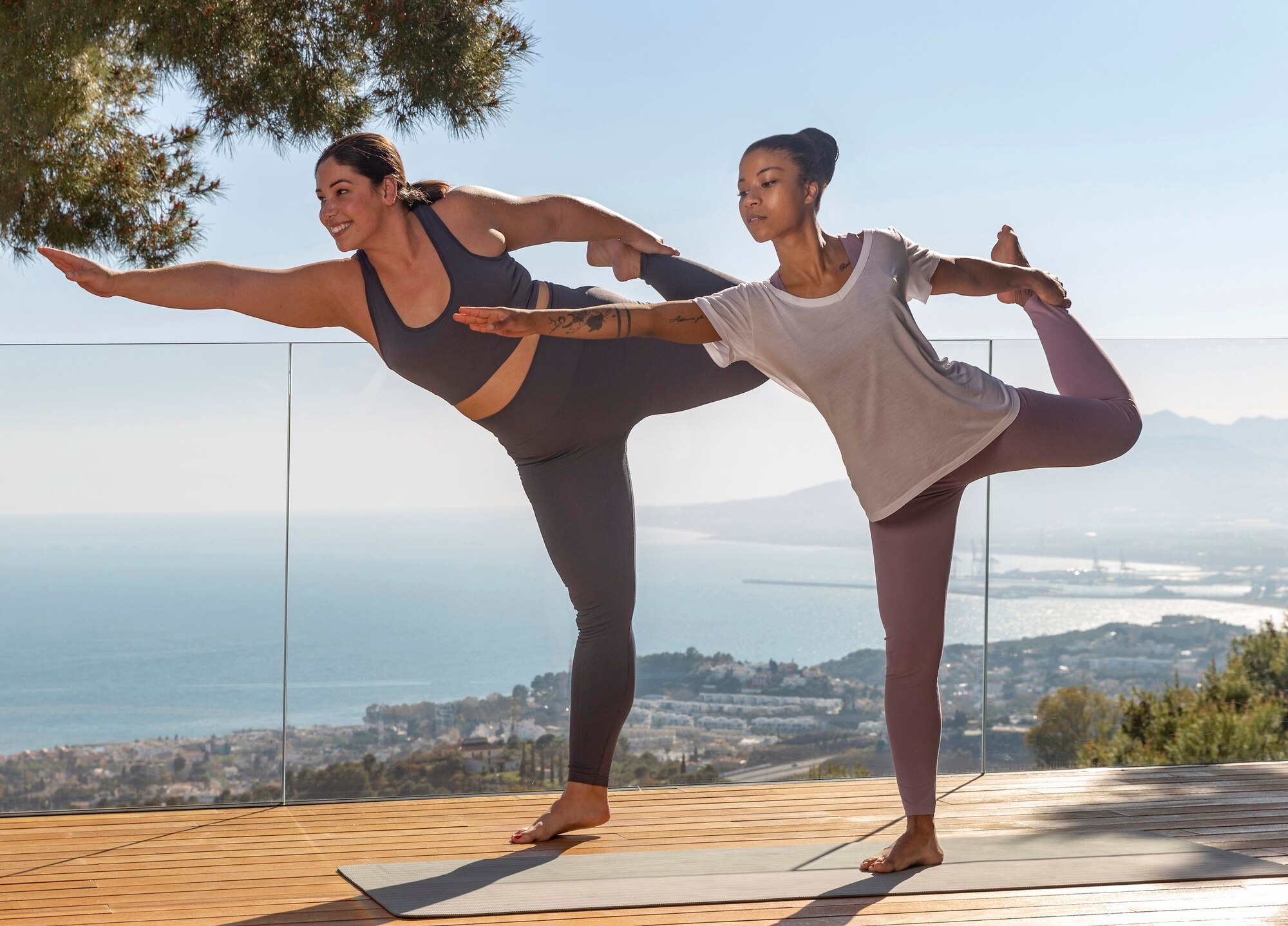
Traditional yoga is a holistic practice that has been followed for thousands of years, focusing on the balance of body, mind, and breath. In contrast, many Western yoga classes emphasize fitness, flexibility, and physical performance, often overlooking the deeper spiritual, mental, and emotional benefits of the practice. Authentic yoga combines asanas, pranayama, meditation, and mindfulness to support long-term wellness, while Westernized yoga may prioritize calorie burning and quick results over holistic health.
Practicing traditional yoga allows individuals to experience the full spectrum of benefits, including stress relief, emotional balance, and inner calm. By reconnecting with these ancient practices, students cultivate awareness, self-discipline, and a deeper connection with their own mind and body.
“I joined a traditional yoga class after trying different Western styles, and I noticed a huge difference. I feel calmer, more balanced, and less stressed.”satisfied client
Key Differences Between Traditional and Western Yoga
Traditional yoga emphasizes more than just physical postures. It integrates mind, breath, and body to create holistic wellness. Westernized yoga often focuses mainly on flexibility, strength, and calorie burning.
- Promotes mental clarity and emotional balance
- Focuses on breath and pranayama for energy regulation
- Supports long-term health and inner calm
- Encourages mindfulness and self-awareness
- Adaptable for all ages and experience levels